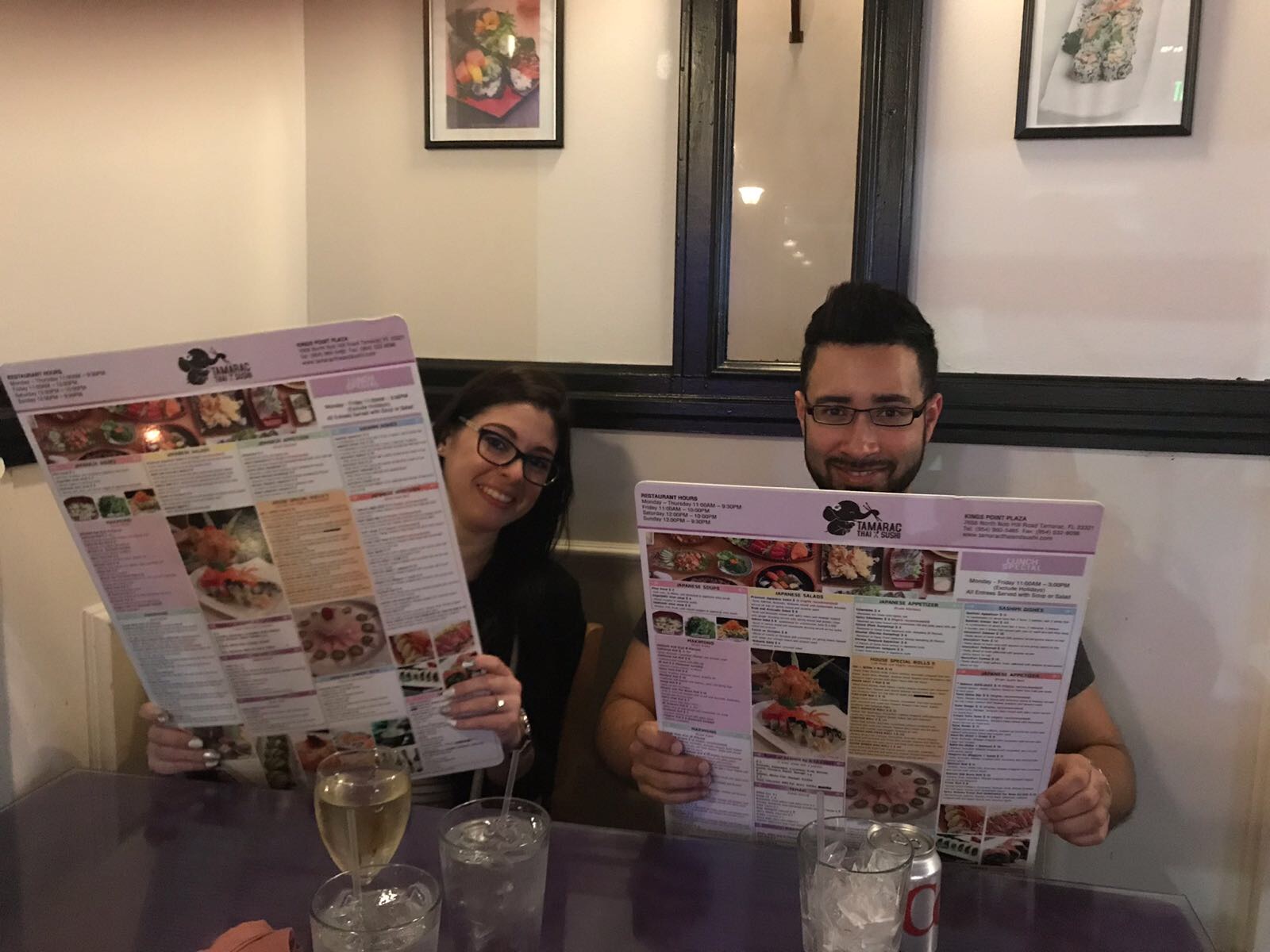

My name is Ariadna and I am a picky eater. Adult picky eating is a real thing. I was doing some research online because I myself am a picky eater. I wanted to improve my eating habits and all I would find online was about children. Things like hiding vegetables in foods that they like would not work for me because guess what? I make my own food. There is no such thing as hiding anything in anything because I know it is there. There is no way around that, I know it is there and I won’t eat it. There are so many studies out there that the conclusion is simply, picky eating is common in preschool age children (4). So, what about the adult picky eaters I ask?
Picky eating has definitely affected my life. I would not say dramatically because I believe I am at a very mild level compared to some cases I have found online. The main way in which I have been affected I would probably say is in social situations, as I have strong preferences as to where I go out to eat with friends for example. Just a few weeks ago I accepted an invite to a Thai restaurant (huge risk let me tell you) however, I was not very hungry and so I figured I can get away with a glass of wine and dessert. Little did I know that curry chicken is actually pretty good (mind you from what my friends said the level of curry was…sligtly there, to say the least). Either way, I was proud of myself! I tried something new and…I liked it!!! (this is rare… very…. rare).
I found some studies online (not many) but a few that research eating habits of adult picky eating. I took some tests myself and I scored definitely in the range. Picky eating is an eating disorder. Perhaps not as severe as bulimia or anorexia in some, especially those of us that do not have avoidant/restrictive food intake disorder (ARFID).
I read in a study in the Journal of Eating Disorders (1), they used four groups: one of the picky eaters with ARFID, another with picky eaters without ARFID, another of bulimia or anorexia and a last one of people not reporting any eating disorder related issues. Overall, only the group of picky eaters with ARFID showed a higher risk of being underweight as well as deficiencies and a higher risk of depression. Regular picky eaters like myself were not a big concern. So how do you determine ARFID you ask? Well, the parameters are picky eating leads to:
- Weight loss or difficulty maintaining a healthy weight
- Nutritional deficiencies
- Dependence on supplements (like Ensure)
- Difficulty engaging in social life because of fear (neophobia: extreme or irrational fear or dislike of anything new, novel, or unfamiliar (2)), anxiety, etc.
So far, none of these rings a bell for me. Yes, I did mention it limits the number of foods I eat but it has not caused a level of fear or anxiety unless I am being forced to try something I don’t want to try. So far, that has not happened, normally people ask me to try something and if a say no two or three times they stop. However, this is obviously an issue that has not been researched enough.
This is a real concern and if you are someone who has experienced any of these, you should definitely seek help. This is certainly psychological and with proper therapy can be addressed. You are not broken, but you can definitely be improved, your quality of life will improve. The main problem is not now but the main problem comes as time goes by and you continue to lose weight and deficiencies continue to increase. The earlier this is addressed, the better it will be.
So now that we are on this topic, what do you eat, you ask. Well, there is a wide variety of foods that I do eat (I think lol), so I will mention the ones I don’t.
- Onions: not cooked, not raw, I can’t deal with the smell or crunch or strong taste
- Asparagus:
- Broccoli and cauliflower: I have tried these and do not like eating trees. Colored or not colored. The texture, smell, not for me.
- Milk: as a young girl, I was playing with friends and we went over to their house. Her mom had served us milk, cold, white, milk. I said I did not want any but as it was already served she said just cover your nose and chug, milk is good for you. As we know now, it is not exactly “good for you” more on that later.
- Shellfish: oysters, that texture, no thank you. Shrimp, no thank you.
- Sushi: I tried this before, I swear. I went out with some friends to a sushi restaurant; my favorite was the wine and coconut crème Brûlée. I tried the sushi and the feeling of it made me gag a few times. I have never tried it again as it is not what I would call a good feeling.
So, have you experienced any of these yourself? Do you have any foods that you will not eat no matter what? Share in the comments below. You know how people say oh if you are stranded on an island what would you do? I would die. That is what I would do. I refuse to eat a lot of things and unless I am stranded on an island full of fruits, I would probably die.
References:
- Zickgraf et al Journal of Eating Disorders (2016) 4:26 DOI: 10.1186/s40337-016—0110-6
- Neophobia. (n.d.). Collins English Dictionary – Complete & Unabridged 10th Edition. Retrieved January 20, 2018, from Dictionary.com website http://www.dictionary.com/browse/neophobia
- Theresa et al., J Food Nutr Disor 2017, 6:3 DOI: 10.4172/2324-9323.1000227
Leave a Reply